Introduction to Drywall Repair for Pittsburgh Homeowners
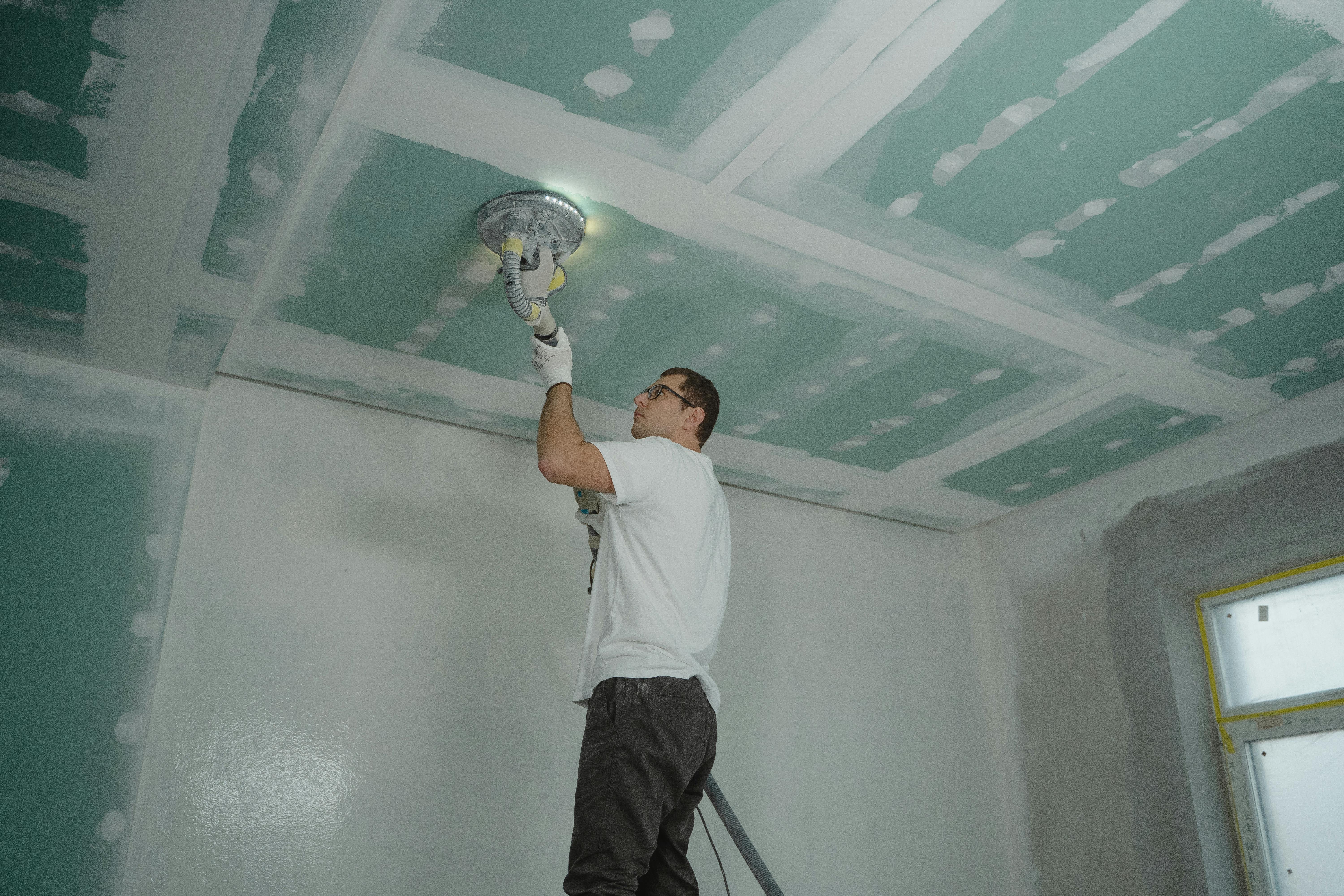
As a homeowner in Pittsburgh, maintaining the integrity of your walls is crucial to keeping your home in top condition. Whether it's due to a minor accident, settling of the house, or the natural wear and tear over time, drywall damage is a common issue. While it may seem daunting at first, basic drywall repair is something that many homeowners can tackle themselves with the right guidance. In this guide, we’ll walk you through beginner-friendly techniques to handle common drywall issues effectively.
Understanding Common Drywall Issues
Before diving into the repair process, it's important to identify the type and extent of the damage. Common drywall problems include small holes, cracks, and dents. Understanding these issues can help you choose the right repair method:
- Small Holes: Typically caused by nails, screws, or minor accidents.
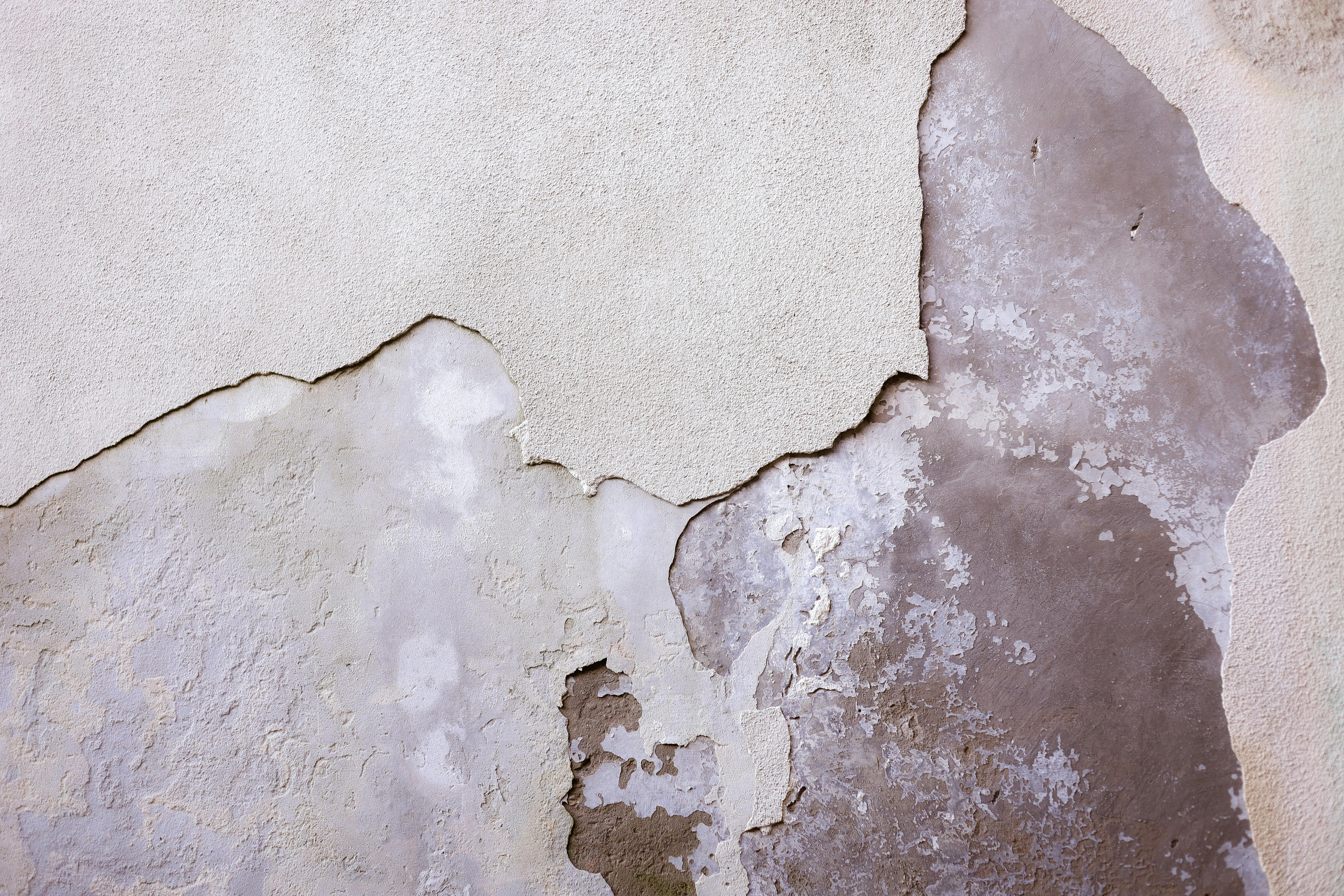
- Cracks: Often due to the settling of the home or temperature fluctuations.
- Dents: Usually result from furniture or other objects bumping into the walls.
Essential Tools and Materials for DIY Drywall Repair
Before you start, gather the necessary tools and materials. Here’s a basic list:
- Drywall compound
- Putty knife
- Sandpaper (medium and fine grit)
- Drywall tape
- Utility knife
- Paint and primer
- Patching kit (for larger holes)
Having these tools on hand will make the repair process smoother and more efficient.
Step-by-Step Drywall Repair Techniques
Repairing Small Holes
Small holes are the easiest to fix, making them perfect for beginners:
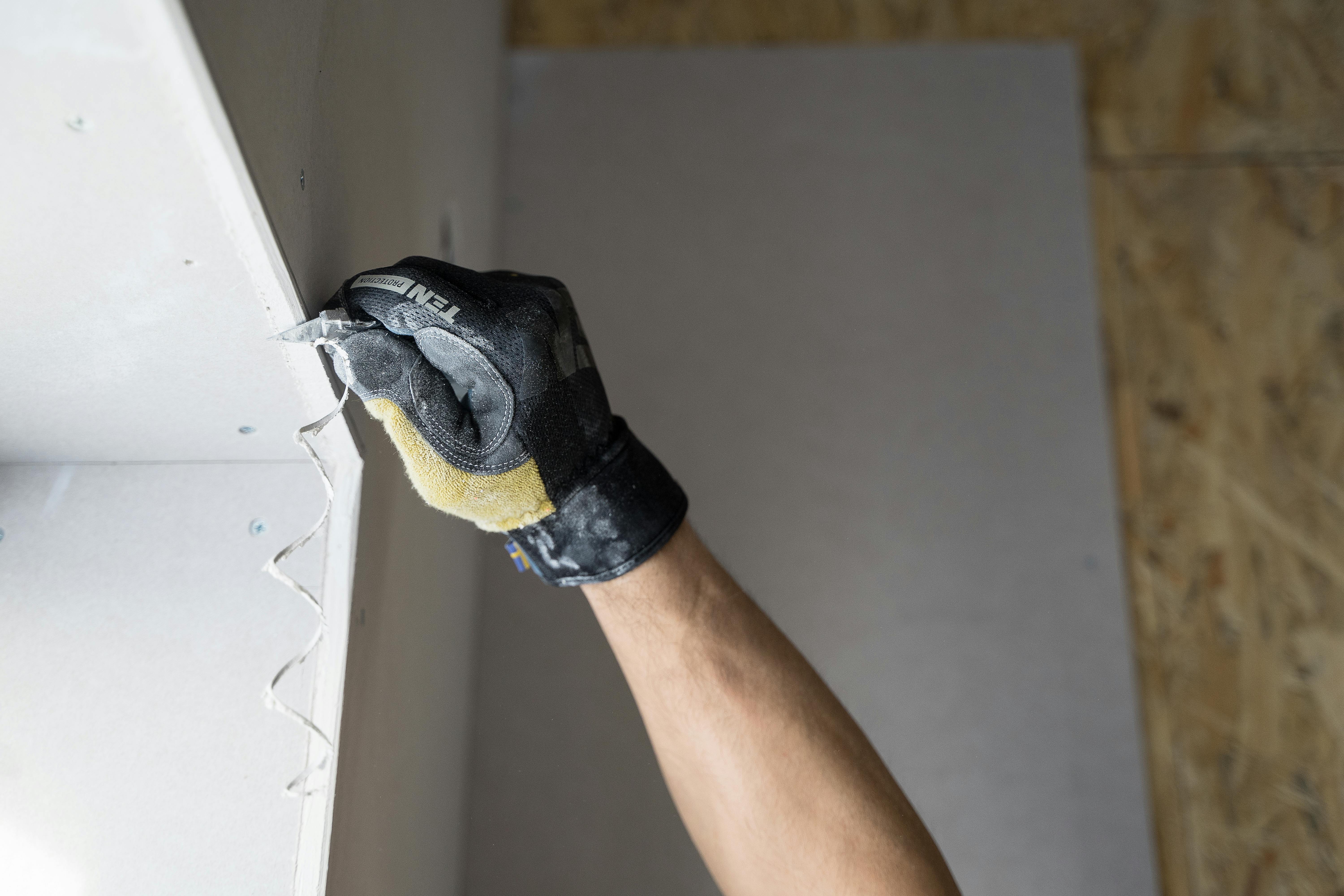
- Clean the Hole: Use a utility knife to scrape away any loose drywall or debris.
- Apply Drywall Compound: Use a putty knife to apply a small amount of drywall compound over the hole. Smooth it out evenly.
- Let It Dry: Allow the compound to dry completely, usually a few hours or overnight.
- Sand the Surface: Once dry, sand the area with fine-grit sandpaper until smooth.
- Prime and Paint: Apply primer followed by paint that matches your wall color.
Fixing Cracks
Cracks require a bit more attention but are still manageable:
- Prepare the Crack: Use the utility knife to widen the crack slightly to ensure the compound adheres well.
- Apply Tape: Place drywall tape over the crack to prevent it from spreading.
- Apply Compound: Spread drywall compound over the tape, feathering the edges to blend with the wall.
- Sand and Finish: Once dry, sand the area smooth and paint as needed.
Dealing with Dents
Dents can often be fixed with a simple application of compound:
- Apply Compound: Fill the dent with drywall compound, smoothing it out with a putty knife.
- Dry and Sand: Let it dry thoroughly, then sand until smooth.
- Paint: Finish by applying primer and paint to match the surrounding area.
When to Call in the Professionals
While small repairs are manageable for most homeowners, there are instances when professional help is advisable:
- Extensive water damage or mold issues
- Structural cracks indicating a more serious problem
- Large holes that require new drywall installation
For complex repairs, contacting a local expert like Skyline Contracting in Pittsburgh can ensure the job is done right, saving you time and potential frustration.
Conclusion: Keep Your Walls in Top Shape
Drywall repair doesn't have to be intimidating. With the right tools and techniques, Pittsburgh homeowners can manage many common issues themselves, maintaining the beauty and integrity of their walls. Whether you choose to DIY or seek professional assistance, understanding the basics of drywall repair is a valuable skill for any homeowner. For more complex needs, Skyline Contracting is here to provide expert services tailored to your situation.
For further guidance or to schedule a professional consultation, contact Skyline Contracting today.