Introduction to Drywall Repair
Drywall repair can seem daunting to many Pittsburgh homeowners, especially if you're unfamiliar with construction jargon. However, understanding the basics can empower you to make informed decisions when repairs are needed. This guide breaks down technical drywall repair concepts into simple terms, making it accessible for non-experts.
What is Drywall?
Drywall, also known as plasterboard or gypsum board, is a building material used to create walls and ceilings. It's made from gypsum plaster sandwiched between two layers of thick paper. This material is favored for its cost-effectiveness and ease of installation.
Key Characteristics of Drywall
- Lightweight: Easy to handle and install.
- Fire-resistant: Provides a degree of fire protection.
- Soundproofing: Helps in reducing noise transmission.
Common Drywall Problems
Even though drywall is durable, it can suffer from various issues. Here are some common problems:
Cracks
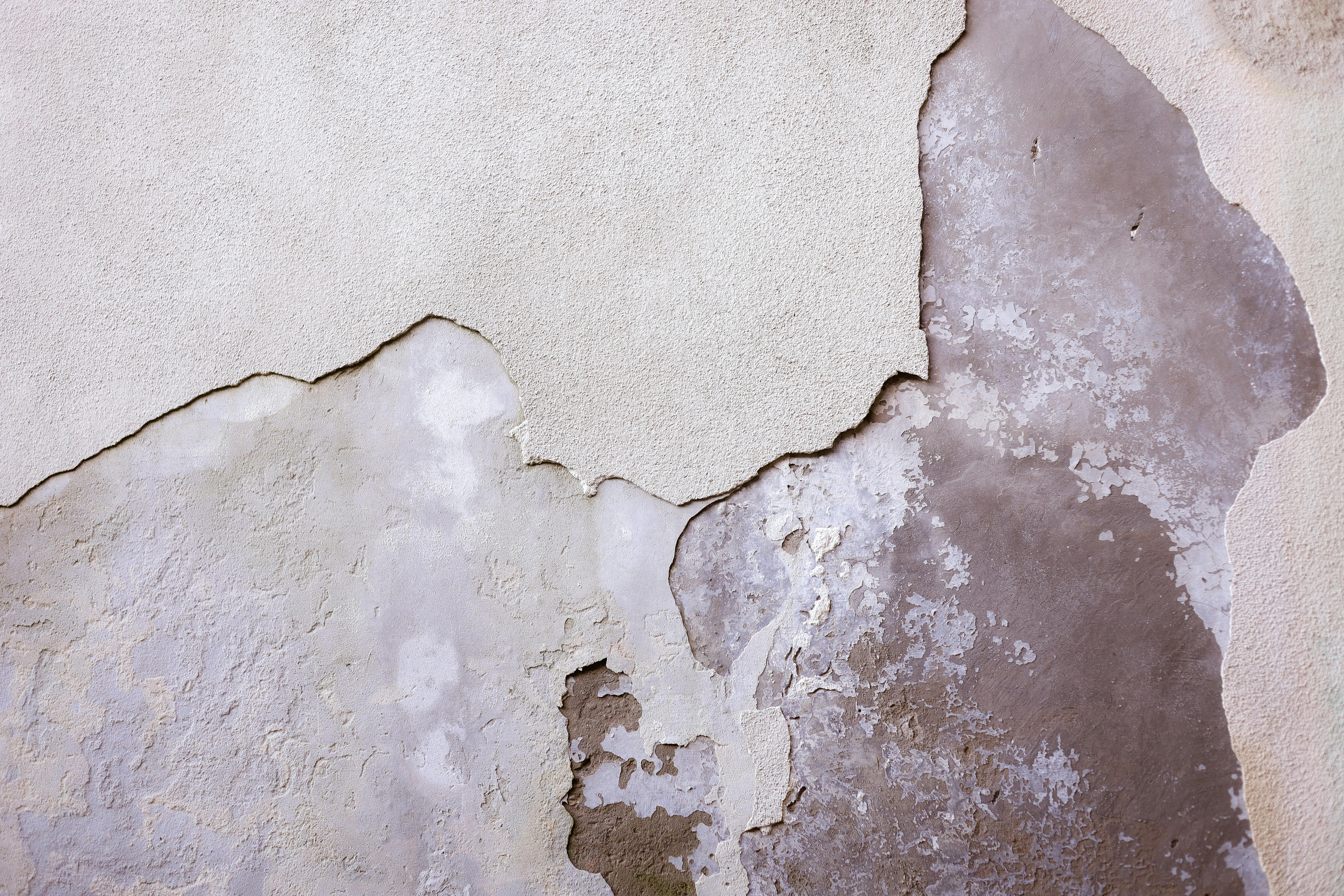
Cracks usually occur due to structural shifts or settling in your home. They can also result from temperature changes causing expansion and contraction of materials.
Dents and Dings
These are minor damages often caused by everyday activities, such as moving furniture or accidental impacts.
Water Damage
Exposure to moisture or leaks can cause drywall to swell or sag, leading to mold growth if not addressed promptly.
Drywall Repair Process Explained
Repairing drywall typically involves the following steps:
Identifying the Issue
The first step is to identify the problem. Is it a small crack, a large hole, or water damage? This will determine the type of repair needed.
Gathering Materials
For most repairs, you'll need joint compound (also known as mud), a putty knife, sandpaper, and a drywall patch if dealing with larger holes.
Repairing Small Cracks and Dents
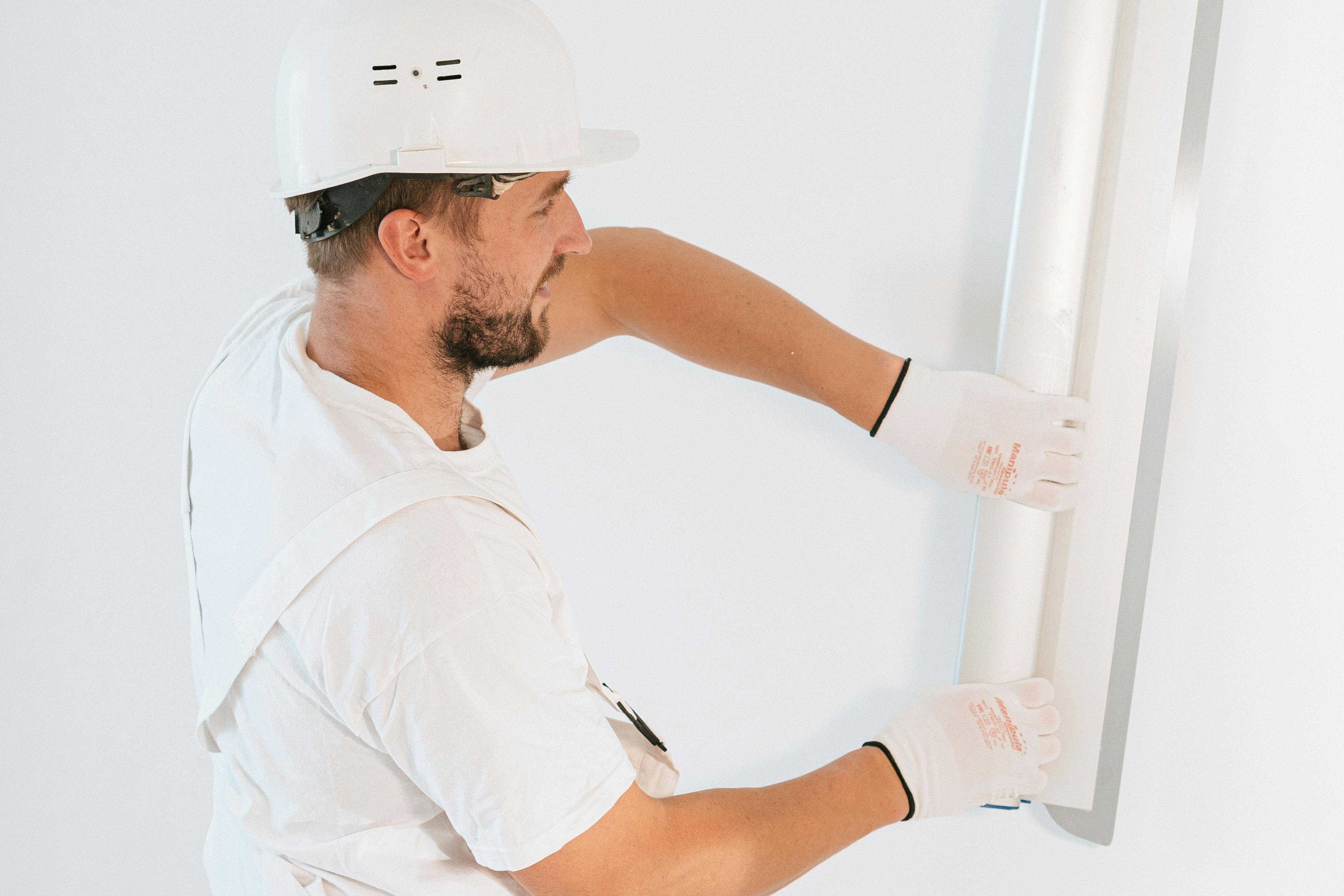
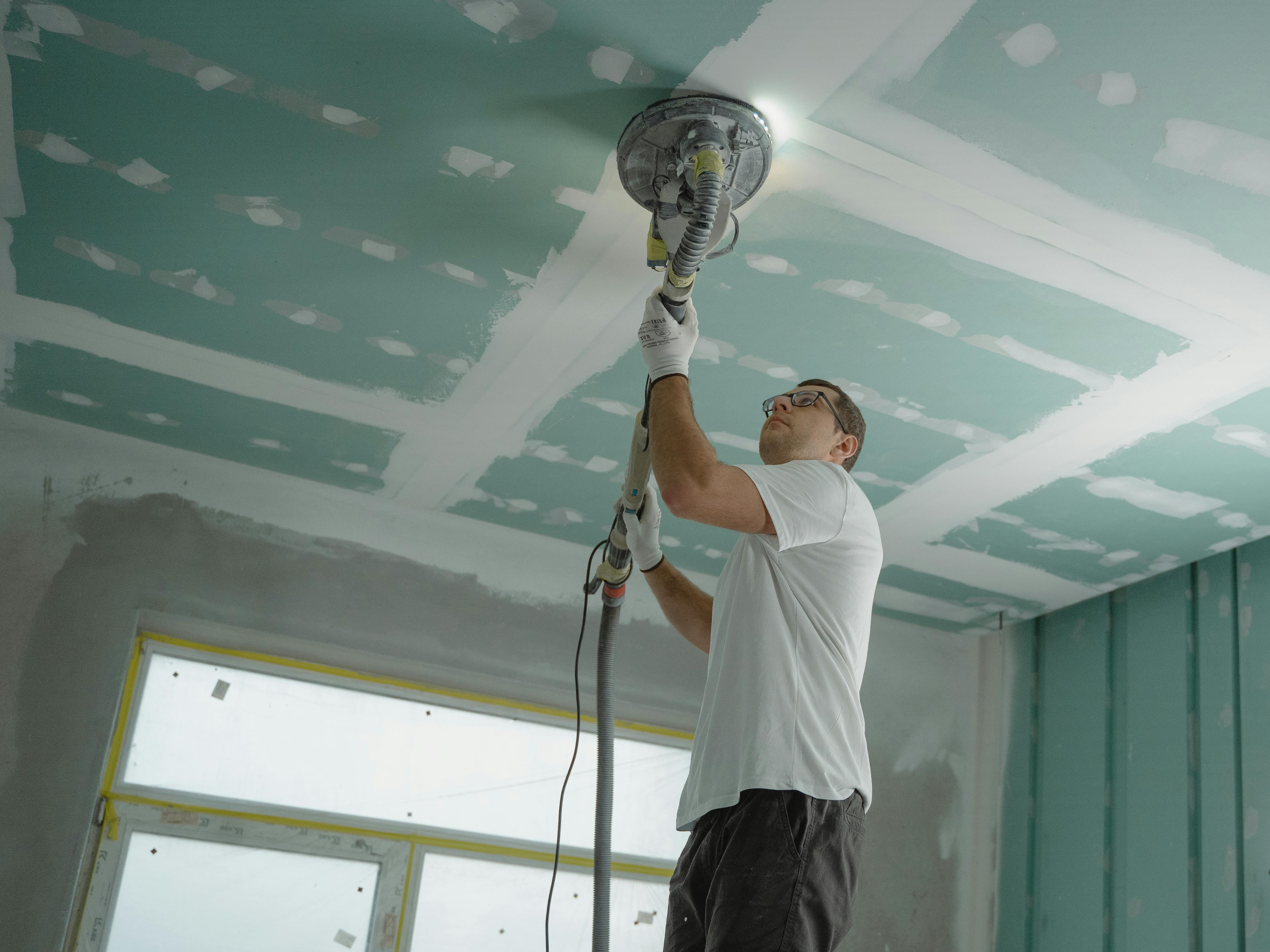
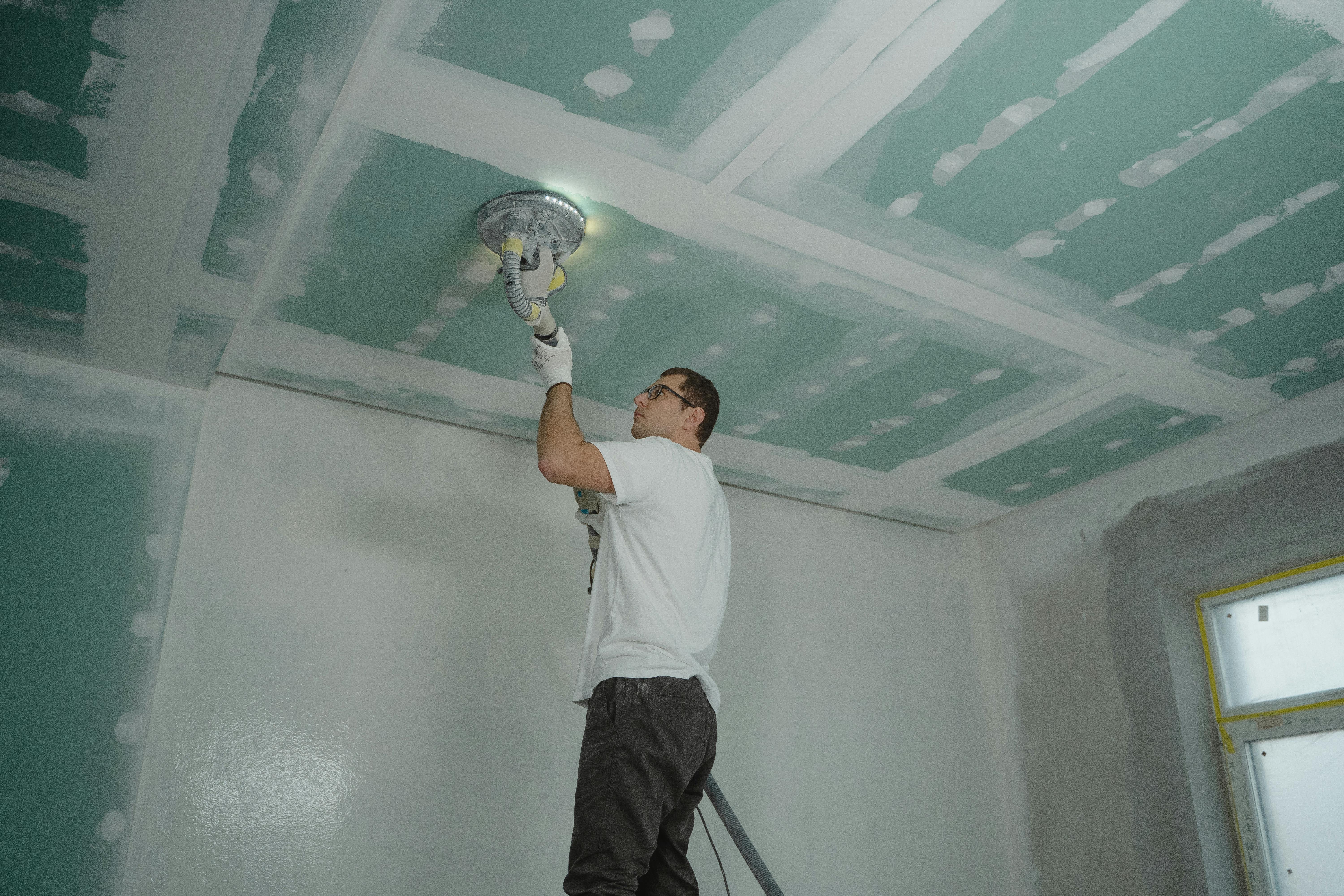
For small cracks or dents, apply joint compound over the area with a putty knife, ensuring it's smooth and even. Once dried, sand it lightly to blend with the surrounding wall.
Fixing Larger Holes
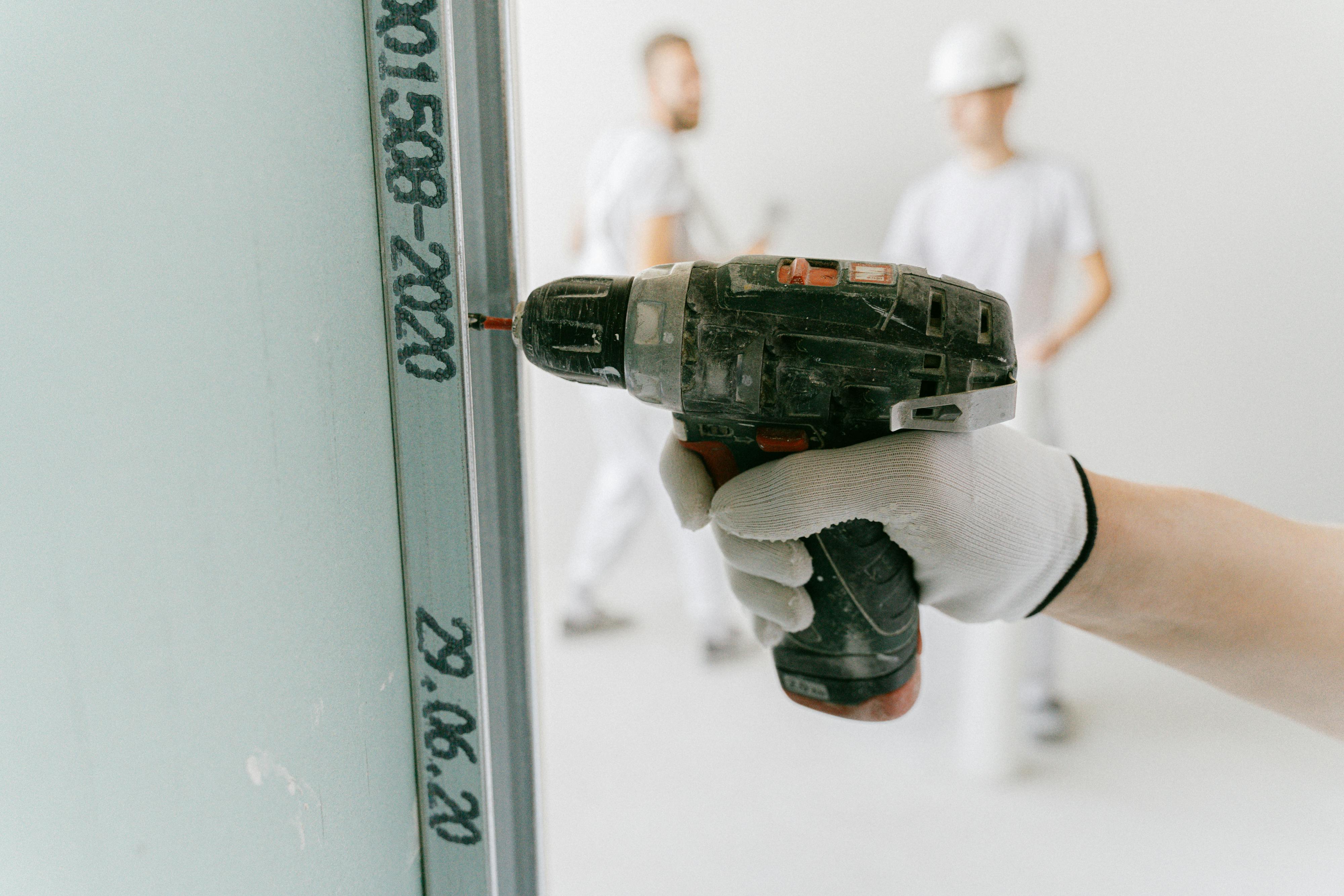
For larger holes, you'll need a drywall patch. Cut a piece of drywall to fit the hole, secure it with screws, and cover it with joint compound.
Handling Water Damage
Water damage often requires replacing affected sections of drywall. It's crucial to address the source of the water to prevent future damage.
Why Hire a Professional?
While small repairs might be manageable for some homeowners, larger or more complex issues often require professional intervention. Here's why:
Expertise and Experience
Professionals have the expertise to identify underlying issues that may not be immediately apparent, ensuring a thorough repair.
Quality Finish
Achieving a seamless finish requires skill and practice. Professionals can blend repairs with the surrounding wall for a flawless appearance.
Time and Convenience
Hiring a professional saves you time and the frustration of dealing with potential mistakes or complications.
Choosing the Right Drywall Repair Service in Pittsburgh
When selecting a drywall repair service in Pittsburgh, consider the following:
Experience and Reviews
Look for companies with a proven track record and positive customer reviews. This indicates reliability and quality of service.
Licensed and Insured
Ensure that the company is licensed and insured to protect yourself from any liabilities during the repair process.
Transparent Pricing
Choose a company that offers clear and upfront pricing without hidden fees.
Conclusion
Understanding the basics of drywall repair can help you communicate effectively with professionals and make informed decisions about your home maintenance needs. Whether you're dealing with minor cracks or extensive damage, knowing what to expect can ease the process. If you’re in Pittsburgh and need expert help, consider reaching out to Skyline Contracting for reliable and efficient drywall repair services.